What Is Ambient Night Light?
An ambient night light is a low-intensity lighting solution designed to create a soft, comfortable glow in a room at night. Unlike bright ceiling lights or task lighting, it provides gentle illumination that helps people navigate dark spaces, relax before sleep, and create a peaceful nighttime atmosphere. Ambient night lights are commonly used in bedrooms, nurseries, hallways, bathrooms, living rooms, and hotels. Depending on the design, they may provide a warm decorative glow, automatically illuminate when the room becomes dark, or activate when someone walks nearby. With different styles, brightness levels, control methods, and power options available, understanding how ambient night lighting works can help you choose the right solution for your home or lighting project.
What Does Ambient Night Light Mean? The term ambient night light combines two lighting concepts: ambient lighting and night lighting. Ambient lighting refers to the general illumination that establishes the overall brightness and atmosphere of a space. A night light, meanwhile, provides a small amount of illumination during nighttime hours without requiring the main lights to be switched on. An ambient night light combines these functions by producing soft, low-level lighting suitable for dark environments. Its purpose is not necessarily to illuminate an entire room brightly, but to make the surroundings more comfortable and easier to navigate. For example, a warm LED night light beside a bed can provide enough light to find personal belongings without illuminating the whole bedroom. A low-level wall light in a hallway can help people move around at night while maintaining a calm atmosphere. The exact appearance and function depend on the product. Some ambient night lights are primarily decorative, while others focus on navigation, convenience, or automatic operation.
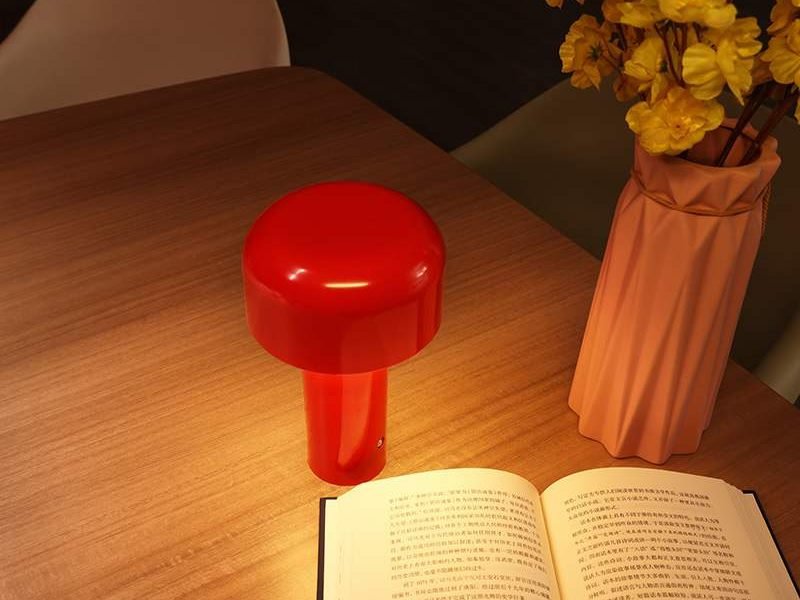
How Does an Ambient Night Light Work? Most modern ambient night lights use LED technology because LEDs are energy-efficient, compact, and available in a wide range of color temperatures and designs. An ambient night light generally works through three main components: LED light source: Produces the illumination while consuming relatively little electricity. Optical and housing components: Diffusers, lenses, and the light housing help control glare, soften the light, and direct illumination where it is needed. Power and control system: Supplies electricity and may include a switch, dimmer, light sensor, motion sensor, timer, or smart control. Some products operate continuously when switched on. Others use a built-in light sensor to turn on automatically when the surrounding environment becomes dark. Motion-activated models illuminate only when movement is detected, helping reduce unnecessary operating time. Smart ambient night lights may also support app control, adjustable brightness, color selection, schedules, or integration with a smart home system.
Common Types of Ambient Night Lights Ambient night lights are available in several forms. The best option depends on where the light will be installed and what it needs to accomplish. 1. Plug-In LED Night Lights Plug-in night lights connect directly to an electrical outlet. They are easy to install and are commonly used in bedrooms, bathrooms, hallways, and children's rooms. Many models feature compact designs that occupy minimal outlet space. Some include automatic dusk-to-dawn sensors, allowing the light to switch on when ambient light levels fall and switch off when the room becomes bright again. These lights are suitable for users who want a simple, low-maintenance nighttime lighting solution.
Rechargeable Ambient Night Lights Rechargeable night lights operate using a built-in battery, eliminating the need for a permanent power connection during use. They are useful on bedside tables, shelves, cabinets, and in areas where electrical outlets are inconvenient. Portable designs can also be moved between rooms. When choosing a rechargeable model, consider battery capacity, actual operating time, charging time, and whether the battery can be replaced. These factors influence convenience and long-term ownership costs.
Motion Sensor Night Lights Motion sensor night lights activate when movement is detected within a specified range. Depending on the model, they may also include a light sensor so they operate only when the environment is dark. They are particularly useful for hallways, staircases, bathrooms, wardrobes, and bedside areas. Instead of leaving a light on throughout the night, users receive illumination when they need it. The detection range, sensing angle, response time, and installation position can all affect performance.
Decorative Ambient Night Lights Decorative ambient night lights focus on atmosphere as well as practical illumination. They may feature sculptural shapes, diffused glowing surfaces, colorful LEDs, or distinctive materials. These products are often placed on bedside tables, living room shelves, and children's bedroom furniture. Some offer adjustable colors and brightness, allowing users to create different lighting moods. For residential lighting brands and manufacturers, this category also offers opportunities for product differentiation through design, materials, controls, and customized lighting effects.
Wall-Mounted and Integrated Night Lighting Wall-mounted ambient night lights can provide a neat, space-saving solution for bedrooms, corridors, and stairways. Some direct light downward toward the floor, while others produce a soft glow across the wall. Ambient night lighting can also be integrated into furniture, cabinets, headboards, or architectural details. Integrated designs help reduce visual clutter while providing lighting exactly where it is needed.
Benefits of Using Ambient Night Light Creates a Comfortable Nighttime Atmosphere Bright overhead lighting can feel harsh when a room is otherwise dark. An ambient night light provides a softer alternative for relaxing, reading briefly, or preparing for bed. Warm white lighting is a popular choice for bedrooms because it creates a cozy visual atmosphere.
Improves Nighttime Navigation Low-level illumination helps people identify obstacles and locate doors, furniture, and other objects without turning on the main lighting system. This can be useful in hallways, bathrooms, stairways, and bedrooms. However, a night light should not be treated as a substitute for adequate lighting in areas where safe visibility requires more illumination.
Supports Convenient Automatic Operation Models with light sensors or motion sensors reduce the need for manual switching. This is especially convenient for nighttime trips to the bathroom or movement through shared spaces. Automatic operation can also reduce energy use compared with leaving a brighter light switched on continuously, although actual savings depend on the product and usage pattern.
Offers Flexible Design Options Ambient night lights are available in portable, plug-in, wall-mounted, and integrated formats. Different color temperatures, brightness settings, and finishes allow them to complement a wide range of interior styles. For hotels, residential developments, and lighting retailers, these variations make it possible to select products according to both functional requirements and design preferences.
How to Choose the Right Ambient Night Light Before purchasing an ambient night light, consider the following factors. Brightness: Choose a light that provides enough visibility without overwhelming a dark room. Adjustable brightness is useful when the same product serves different purposes. Color temperature: Warm white light, commonly around 2700K–3000K, is often preferred for bedrooms and relaxing environments. Neutral white may be more suitable for practical navigation in certain spaces. The best choice depends on the desired atmosphere and application. Light distribution: A diffused light source can reduce direct glare and create a more uniform glow. Downward-facing designs are useful for floor-level navigation, while wall-washing designs emphasize the surrounding surfaces. Sensor and control options: Decide whether you need manual switching, dusk-to-dawn operation, motion activation, dimming, or smart home compatibility. More advanced controls can improve convenience but may increase product cost. Power supply: Plug-in models are convenient for fixed locations, while rechargeable products provide greater placement flexibility. For integrated installations, consider wiring access and maintenance requirements. Safety and durability: Check the product's electrical specifications, applicable certifications, material quality, and suitability for its intended environment. Bathroom or outdoor applications may require an appropriate ingress protection rating. Do not assume that every night light is suitable for damp locations. Design and installation: Consider the available space, outlet position, mounting method, and surrounding furniture. The light should fit naturally into the environment without obstructing walkways or creating unnecessary glare.
Ambient Night Light vs. Regular Night Light Although these terms are sometimes used interchangeably, an ambient night light generally emphasizes the quality and atmosphere of the illumination, while a regular night light may focus primarily on providing basic visibility in the dark. In practice, the distinction is not standardized. A simple plug-in LED night light can also provide ambient lighting if its brightness, color, and light distribution create a soft glow. Therefore, it is more useful to compare products based on their actual brightness, optical design, controls, and intended application than on the product name alone.
Conclusion An ambient night light provides gentle illumination that makes nighttime environments more comfortable, convenient, and visually appealing. From simple plug-in LEDs to rechargeable table lights, motion-activated models, and integrated wall lighting, there are options for a wide range of residential and commercial applications. When selecting an ambient night light, prioritize suitable brightness, warm or otherwise appropriate color temperature, comfortable light distribution, reliable controls, and a power supply that matches the installation. For lighting brands, retailers, and project buyers, these same considerations are useful when evaluating products for a specific market. A well-designed ambient night light should combine practical nighttime visibility with efficient LED performance, dependable construction, and an appearance that complements the surrounding space.