How to Choose Loose Lab Grown Diamonds with Confidence
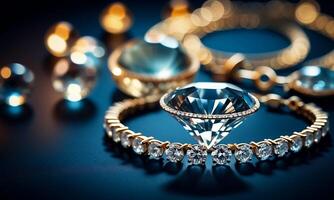
Loose lab grown diamonds have become a popular choice for buyers who want a certified diamond before selecting a setting. Purchasing a loose stone gives you greater control over quality, design, and budget. You can compare diamonds based on objective grading instead of choosing from a limited collection of finished jewelry.
Unlike simulants such as cubic zirconia or moissanite, lab created diamonds have the same chemical, optical, and physical properties as natural diamonds. The only difference is their origin. They form in advanced laboratories instead of deep within the Earth's mantle.
What Are Loose Lab Grown Diamonds?
Loose lab grown diamonds are individual diamonds that have not been mounted into jewelry. Buyers can inspect the stone, review its grading report, and then choose a custom setting.
Manufacturers produce these diamonds using two main methods. High Pressure High Temperature (HPHT) recreates the natural conditions that form diamonds underground. Chemical Vapor Deposition (CVD) grows diamond crystals from carbon-rich gases in a controlled environment. Both processes create genuine diamonds with the same hardness of 10 on the Mohs scale.
Independent gemological laboratories often grade these stones using the same standards applied to mined diamonds. Reports typically evaluate the Four Cs, which include cut, color, clarity, and carat weight.
Why Buy Loose Lab Grown Diamonds?
Buying a loose diamond offers several practical advantages.
First, you can compare multiple stones before making a decision. This makes it easier to balance quality and cost.
Second, you have complete freedom to create custom jewelry. Many buyers select a stone first and then design a pendant, earrings, or an engagement ring around it.
Third, loose diamonds allow for better transparency. You can review certification details, proportions, fluorescence, and inclusions before purchasing.
This approach reduces the chances of paying for features that do not match your priorities.
Understanding Diamond Quality
The Four Cs remain the standard for evaluating both natural and lab created diamonds.
Cut
Cut has the greatest impact on brilliance and sparkle. A well-cut diamond reflects light efficiently and appears brighter than a poorly cut stone of the same size.
Excellent and Ideal cut grades are generally preferred for maximum light performance.
Color
Diamond color ranges from D, which is colorless, to Z, which shows noticeable yellow or brown tones.
Many buyers choose grades between D and G because they appear nearly colorless under normal viewing conditions.
Clarity
Clarity measures internal inclusions and external blemishes.
Grades such as VS1, VS2, and SI1 often provide a good balance between appearance and price. Many inclusions remain invisible without magnification.
Carat Weight
Carat measures weight rather than physical size.
A well-cut one-carat diamond can appear larger than a poorly cut stone with similar weight because proper proportions improve visual spread.
Loose Lab Grown Diamonds For Custom Engagement Rings
Many couples begin with a loose diamond before designing a round brilliant cut diamond engagement ring. This process gives them complete control over the final design.
You can pair the diamond with white gold, yellow gold, rose gold, or platinum. Popular settings include solitaire, halo, three-stone, pavé, and bezel styles.
Choosing the loose stone first also helps you prioritize diamond quality before investing in the setting.
Round Brilliant Cut Diamonds Explained
The round brilliant cut remains the most popular diamond shape because it delivers exceptional sparkle. Its carefully calculated proportions maximize light return and fire.
Many buyers ask, how many facets in a round brilliant cut diamond. The standard answer is 57 facets if the culet is absent or 58 facets if a culet facet is included.
Another common question is, how many facets does a round brilliant cut diamond have. Professional cutters typically create 33 facets on the crown and 24 on the pavilion. If a culet exists, it becomes the additional facet. This precise arrangement helps produce the brilliance for which the round brilliant cut is known.
Certification And Diamond Reports
A grading report provides an independent assessment of a diamond's characteristics.
Reputable laboratories evaluate measurements, symmetry, polish, fluorescence, clarity, color, and cut quality. The report also includes identifying information that helps match the physical diamond to its certification.
Always compare the grading report with the actual diamond before completing a purchase. This step increases confidence in the stone's stated quality.
Price Comparison With Natural Diamonds
Lab created diamonds generally cost less than natural diamonds of comparable quality.
Several factors influence pricing, including carat weight, cut precision, color grade, clarity grade, and market supply. Although prices can change over time, buyers often obtain a larger or higher-quality diamond within the same budget.
Lower purchase prices do not change the fact that these stones remain real diamonds with identical physical properties.
Choosing The Right Loose Diamond
Start by defining your budget before comparing stones.
Next, prioritize cut quality because it has the strongest influence on appearance. Then evaluate color and clarity based on your preferences.
Review high-resolution images or videos whenever available. Check for eye-visible inclusions and confirm that the proportions support strong light performance.
If you plan to create custom jewelry, verify that the chosen setting fits the diamond's dimensions and shape.
Common Misconceptions About Lab Created Diamonds
Some people believe lab grown diamonds are fake. This is incorrect. They are genuine diamonds made from crystallized carbon.
Another misconception is that lab created diamonds look different from natural diamonds. Under normal viewing conditions, trained professionals require specialized equipment to distinguish their origin.
Some buyers also assume all lab grown diamonds are identical. Quality still varies based on cut, clarity, color, and craftsmanship. Careful comparison remains essential regardless of origin.
Caring For Loose Lab Grown Diamonds
Proper care preserves a diamond's appearance for many years.
Clean the stone with warm water, mild dish soap, and a soft brush. Rinse thoroughly and dry it with a lint-free cloth.
Store loose diamonds separately to prevent scratching other jewelry. Although diamonds are extremely hard, they can scratch one another if stored together.
If the diamond is mounted into jewelry, inspect the setting periodically to ensure the stone remains secure.
Final Thoughts
Loose lab grown diamonds offer flexibility, transparency, and precise quality selection. Buying the stone before choosing a setting allows you to compare certified options and customize jewelry that matches your preferences.
Whether you select a classic round brilliant cut or another shape, understanding the Four Cs, certification, and cut quality will help you make an informed decision. A carefully chosen loose diamond provides lasting beauty while giving you greater control over the finished piece.