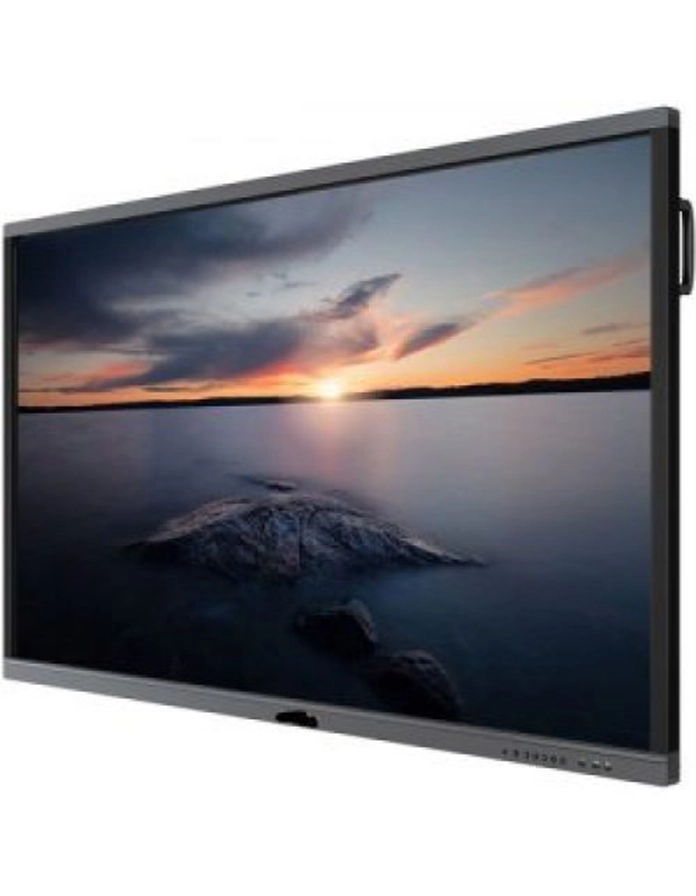
Education has come a long way from chalkboards and textbooks. In today's digital age, technology is transforming the way we teach and learn. One of the most exciting innovations in the classroom is the LED smart board. These interactive displays are revolutionizing education, making lessons more engaging and collaborative. In this article, we'll explore the world of LED smart boards, their benefits, applications, and what the future holds for this cutting-edge technology.
An LED smart board is an interactive display that combines the functionality of a traditional whiteboard with the power of a computer. It uses LED technology to create bright, clear images and allows users to interact with the content directly on the screen. Key components include a touch-sensitive screen, LED display, built-in computer or connection to an external computer, and software for creating and displaying interactive content.
Unlike traditional whiteboards, LED smart board offer dynamic, interactive content. Teachers can display multimedia presentations, annotate directly on the screen, and save their notes for future reference. Compared to projectors, smart boards provide clearer images and do not require a separate projection device, reducing setup time and complexity.
LED smart boards use touch-sensitive technology to detect user inputs. Users can write, draw, and manipulate objects on the screen using their fingers or special pens. The board's software processes these inputs, allowing for real-time interaction with digital content.
Evolution from Traditional Whiteboards to Smart Boards The transition from traditional whiteboards to LED smart boards represents a significant leap in educational technology. Early smart boards used resistive touch technology, which was less accurate and responsive. Modern LED smart boards use capacitive or infrared touch technology, providing a more precise and user-friendly experience.
Multi-touch Capability: Allows multiple users to interact with the board simultaneously. High Resolution: Offers crisp, clear images that enhance visual learning. Wireless Connectivity: Enables seamless integration with other devices like laptops, tablets, and smartphones. Interactive Software: Provides a range of tools for creating engaging lessons and activities. Innovations in Smart Board Technology Recent innovations include the integration of artificial intelligence, which can recognize and respond to gestures, and the use of augmented reality to create immersive learning experiences. These advancements make LED smart boards more powerful and versatile than ever.
LED smart boards make it easy to create interactive lessons that capture students' attention. Teachers can incorporate videos, animations, and interactive quizzes into their presentations, making learning more dynamic and engaging.
By allowing students to interact directly with the content, smart boards encourage active participation. This hands-on approach helps students retain information better and fosters a more interactive and enjoyable learning environment.
LED smart boards are ideal for group activities and collaborative projects. Students can work together on the board, sharing ideas and solving problems in real-time. This collaborative approach promotes teamwork and communication skills.
When selecting an LED smart board, consider factors like screen size, resolution, touch sensitivity, and connectivity options. Look for a board with robust interactive software and compatibility with various devices.
Familiarize yourself with specifications such as screen resolution (higher is better for detailed images), touch points (more touch points allow for multi-user interaction), and connectivity options (Wi-Fi, Bluetooth, HDMI ports).
Some of the leading brands in the LED smart board market include SMART Technologies, Promethean, and ViewSonic. Research the top models from these brands to find the one that best meets your needs.
Proper installation is crucial for optimal performance. Ensure the board is mounted securely at a height that allows easy access for all users. Avoid placing it in direct sunlight or near sources of glare.
Most LED smart boards support multiple input sources, including HDMI, USB, and wireless connections. Connect your computer, tablet, or smartphone to access and display content seamlessly.
To get the most out of your LED smart board, familiarize yourself with its software and features. Take advantage of training resources and tutorials to learn how to create and deliver interactive lessons effectively.
LED smart boards bring lessons to life, making complex concepts easier to understand. The interactive nature of the boards fosters a more engaging and enjoyable learning experience.
Smart boards are versatile tools that can be used for a wide range of activities, from teaching and presentations to group work and multimedia projects. Their flexibility makes them valuable assets in any classroom.
While the initial investment in an LED smart board can be significant, the long-term benefits are substantial. Smart boards reduce the need for paper and other supplies, and their durability ensures they will serve the classroom for years to come.
Like any technology, LED smart boards can encounter issues such as calibration problems, software glitches, and connectivity issues. Regular maintenance and updates can help prevent these problems.
Regular Cleaning: Keep the screen clean to ensure optimal touch sensitivity. Software Updates: Regularly update the board's software to benefit from the latest features and improvements. Calibration: Periodically calibrate the touch screen to maintain accuracy. Ensuring Longevity and Performance To extend the life of your LED smart board, handle it with care, follow the manufacturer's maintenance guidelines, and ensure it is used in a suitable environment.
Advancements in Interactive Technology Future LED smart boards will likely feature even more advanced touch technology, improved AI integration, and enhanced connectivity options, making them more intuitive and user-friendly.
The integration of virtual and augmented reality will create immersive learning experiences, allowing students to explore subjects in new and exciting ways.
Beyond education, LED smart boards have potential applications in business, healthcare, and entertainment, offering new ways to present, collaborate, and interact with digital content.
LED smart boards are revolutionizing education, providing teachers with powerful tools to create interactive, engaging, and effective lessons. As technology continues to advance, these boards will become even more integral to the learning process, transforming classrooms and enhancing educational outcomes. Embrace the future of education with LED smart boards and unlock new possibilities for teaching and learning.