Insulation Nation: How to Choose the Right Home Insulation Company?
Choosing an insulation provider is an important home-improvement decision because installation quality can influence how effectively an insulation system performs over time. Insulation Nation gives homeowners an opportunity to approach this decision with greater awareness of what to look for before work begins. Instead of choosing a company based only on price, homeowners should consider experience, service options, installation practices, communication, and the company's ability to understand the property's specific requirements.
When comparing a home insulation company, start by determining whether the provider offers services appropriate for the areas of your home that need attention. An attic, exterior wall, floor, or crawl space can have different insulation requirements. A company that takes time to evaluate these areas can provide more useful recommendations than one that immediately suggests the same solution for every property.
Start With an Evaluation
A reliable insulation company should be interested in the condition of the home before recommending a project. The evaluation process may involve looking at existing insulation, accessible attic areas, crawl spaces, building-envelope conditions, and potential air leakage.
This initial assessment helps establish what the property actually needs. It can also prevent homeowners from paying for unnecessary work. If existing insulation is still performing adequately in one area, the priority may instead be another location where coverage is limited or heat transfer is more significant.
Look at the Company's Experience
Experience matters when insulation work involves different building designs and installation challenges. An experienced provider is more likely to recognize issues that may not be obvious to an average homeowner.
Ask how long the company has provided insulation services and whether its team regularly works with homes similar to yours. Experience with local construction practices and regional weather conditions can also be useful when determining appropriate insulation strategies.
Rather than relying entirely on marketing claims, homeowners can look for evidence of consistent service quality, professional practices, and positive customer experiences.
Understand the Materials Offered
A trustworthy insulation provider should be able to explain the materials it recommends and why they are appropriate for a particular application. Fiberglass, cellulose, batt insulation, and other solutions can have different characteristics and uses.
Homeowners do not necessarily need to become insulation experts before hiring a contractor. However, they should feel comfortable asking basic questions about the selected material, expected coverage, installation process, and suitability for the location.
A good contractor should explain these details in straightforward language instead of making the homeowner feel pressured to accept a technical recommendation without understanding it.
Ask About Air Sealing
Insulation is not always the only factor affecting a home's energy performance. Uncontrolled air movement through gaps and openings can contribute to drafts and unwanted heat transfer.
When discussing an insulation project, homeowners should ask whether air leakage has been considered. In appropriate situations, air sealing may complement insulation improvements by addressing pathways where conditioned air can escape.
This broader approach can help ensure that the project considers the building envelope rather than treating insulation as an isolated material installation.
Check Installation Practices
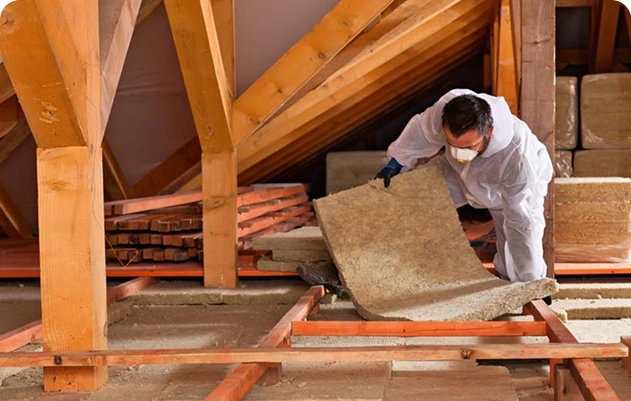
The quality of installation can be just as important as the product being installed. Inconsistent coverage, gaps, compression, or poorly handled areas can create weak points in the insulation system.
Ask how the company prepares the work area, handles existing insulation, approaches difficult sections, and checks completed work. Clear answers can provide insight into whether the contractor follows a structured process.
Homeowners should also ask whether old or damaged insulation needs to be removed before new material is installed. In some circumstances, replacement may be more appropriate than simply adding another layer.
Compare Estimates Carefully
Price is naturally an important consideration, but comparing insulation companies solely by the lowest estimate can be misleading. Two quotes may involve different materials, coverage levels, preparation work, or installation methods.
Review what each estimate actually includes. Look for information about the areas being treated, proposed materials, labor, preparation, cleanup, and any additional services.
A detailed estimate makes it easier to compare companies fairly and understand what you are receiving for the quoted price.
Pay Attention to Communication
Professional communication can tell homeowners a great deal about how a company approaches its work. Providers should be willing to answer questions, explain recommendations, discuss project expectations, and communicate clearly about scheduling.
If a company is difficult to reach before the project begins, homeowners may reasonably question how responsive it will be afterward. Clear communication helps reduce misunderstandings and gives both parties a better understanding of the project.
Verify Professional Credentials
Before hiring an insulation contractor, homeowners should review relevant licensing, insurance, certifications, and professional qualifications where applicable. These details can help demonstrate that the company takes its responsibilities seriously.
It is also worthwhile to examine customer reviews and testimonials for recurring patterns. A single review may not tell the entire story, but consistent feedback about communication, workmanship, punctuality, or cleanup can provide useful context.
For homeowners evaluating a home insulation company, combining these checks with a detailed project estimate can make the selection process more informed and less focused on price alone.
Choose Value Over a Quick Fix
The right insulation provider should focus on the property's needs rather than selling a predetermined package. Homeowners should expect recommendations to be connected to specific conditions, practical objectives, and the areas requiring improvement.
Taking time to compare providers can help homeowners avoid rushed decisions and identify a company that values workmanship, transparency, and long-term home performance.
Ultimately, choosing a home insulation company is about finding the right balance of experience, communication, installation quality, materials, and service. With careful research and a property-specific approach, Insulation Nation can help homeowners move toward insulation improvements designed around their home's actual requirements.